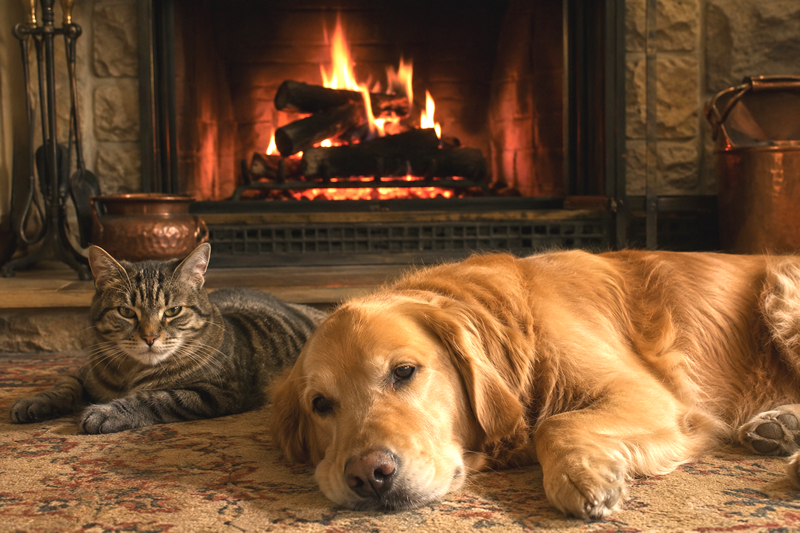
Winter can be a wonderful time of year, but colder temperatures, shorter days and wet weather can bring new challenges for both pets and the people caring for them. Whether you’re a homeowner preparing for an upcoming trip or a house sitter looking after someone else’s beloved pets, a little extra attention during winter can help ensure everyone stays happy, healthy and comfortable.
Maintaining Winter Routines
Pets thrive on routine. Dogs and cats are creatures of habit and can become unsettled when their normal schedule changes. During a house sit, it’s particularly important to maintain feeding times, exercise schedules and bedtime routines as closely as possible to those established by the owner.
Homeowners can help by leaving clear instructions about their pets’ daily habits, including preferred walking times, feeding routines and any special requirements. Sitters who follow these routines closely can help reduce stress and make the transition easier for pets while their owners are away.
Adjusting Exercise During Wet Weather
Winter doesn’t mean pets should stop exercising, but it may require some flexibility. Rain, cold winds and muddy conditions can make outdoor activities less appealing for both pets and sitters.
For dogs, shorter but more frequent walks can be a good alternative during poor weather. If conditions are particularly unpleasant, consider supplementing outdoor exercise with indoor games that encourage movement and mental stimulation.
Cats that usually spend time outdoors may choose to stay inside more often during winter. Providing opportunities for play and exploration indoors can help keep them active and prevent boredom.
Always check weather conditions before heading out and be mindful of older pets or breeds that are particularly sensitive to cold temperatures.
Keeping Pets Mentally Stimulated Indoors
When winter weather limits outdoor activities, mental stimulation becomes even more important. Boredom can lead to unwanted behaviours, particularly in energetic dogs and curious cats.
Simple indoor enrichment activities can help keep pets engaged and entertained:
- Puzzle feeders and treat-dispensing toys
- Hide-and-seek games using favourite treats
- Short training sessions to reinforce basic commands
- Indoor obstacle courses for active dogs
- Interactive wand toys for cats
- Rotating toys to maintain interest
These activities not only provide entertainment but also strengthen the bond between pets and their carers during the house sit.
Special Care for Older Pets
Winter can be particularly challenging for senior pets. Many older dogs and cats experience arthritis or joint stiffness, which can become more noticeable during colder weather.
Homeowners should make sitters aware of any mobility issues, medications or special care requirements. Sitters should pay close attention to changes in movement, appetite or behaviour and communicate any concerns promptly.
Simple measures can make a significant difference for older pets, including:
- Providing warm, comfortable bedding
- Keeping sleeping areas away from cold drafts
- Using ramps or steps where needed
- Allowing extra time during walks
- Encouraging gentle movement to maintain mobility
Understanding a senior pet’s limitations helps ensure they remain comfortable throughout the winter months.
Creating a Warm and Comfortable Environment
Just like people, pets appreciate a warm and cosy place to relax during winter. While many dogs and cats have natural insulation, they can still feel the effects of cold weather, particularly small breeds, short-haired animals and older pets.
Homeowners can help by letting sitters know how they normally manage heating and where pets prefer to sleep. Some pets enjoy curling up near a heater, while others prefer a favourite blanket or bed tucked away in a quiet corner.
Sitters should ensure pets always have access to dry bedding and fresh water. It’s also important to monitor indoor temperatures and ensure pets are not left in cold areas of the home for extended periods.
The Importance of Communication
Good communication is always important during a house sit, but it becomes especially valuable during winter when weather conditions and pet needs can change quickly.
Homeowners should provide detailed information about:
- Heating systems and temperature preferences
- Winter exercise routines
- Medication requirements
- Veterinary contact details
- Any weather-related concerns
Likewise, sitters should keep homeowners updated about how their pets are settling in, particularly if there are any changes in behaviour, appetite or activity levels.
Regular communication helps build trust and ensures any issues can be addressed promptly before they become problems.
A Successful Winter House Sit
Winter house sitting can be a rewarding experience for both homeowners and sitters. By maintaining routines, adapting to seasonal conditions and paying attention to pets’ physical and emotional wellbeing, it’s possible to create a positive experience for everyone involved.
With a little planning, clear communication and plenty of care, pets can stay happy, healthy and comfortable throughout the colder months while their owners enjoy peace of mind knowing their home and furry family members are in good hands.