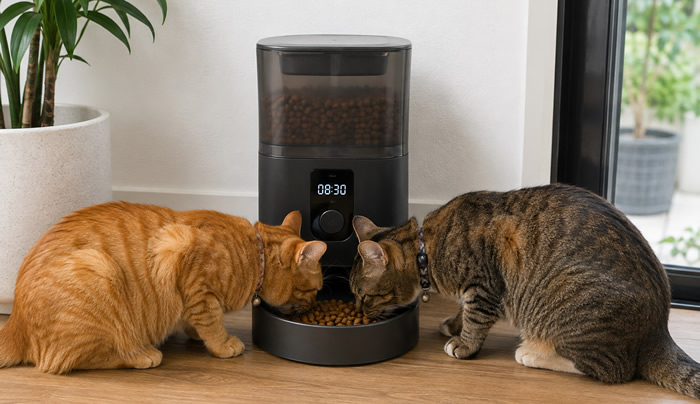
Smart home technology has transformed the way we look after our homes and pets. From security systems and video doorbells to automatic pet feeders, robot vacuum cleaners and smart thermostats, many homes now rely on technology to make everyday life easier.
For homeowners and house sitters, however, smart technology introduces a few extra considerations. Before a house sit begins, it is important that both parties understand what devices are operating, how they work and, particularly, what happens to privacy.
Cameras and privacy come first
Security cameras are increasingly common, particularly around entrances, driveways and gardens. External cameras can provide useful security while a homeowner is away, but internal cameras are a different matter.
At Mindahome, homeowners with internal security cameras are required to switch them off while a house sitter is caring for their home. This is part of the Mindahome Code of Conduct and Terms of Use. Homeowners should tell prospective sitters about any cameras and agree on arrangements before the sit begins.
For additional peace of mind, homeowners and sitters can include their agreement about cameras in their house sitting agreement.
It is also worth remembering that many smart devices contain microphones or other sensors. If a device is not needed during the sit, consider disabling unnecessary features.
Automated pet feeders are helpful – but don’t rely on them completely
Automatic feeders can be fantastic for maintaining a pet’s routine, particularly when a pet needs meals at specific times. However, they should be treated as a convenience rather than a replacement for human care.
Before leaving, homeowners should demonstrate exactly how the feeder works, including how much food it dispenses, how to refill it and what to do if it fails. A house sitter should also know where spare batteries or other supplies are kept.
Technology can malfunction, lose its Wi-Fi connection or simply do something unexpected. Recent developments in AI-powered pet technology also demonstrate that automated systems can make mistakes when identifying individual animals.
Don’t forget the Wi-Fi
Smart homes often depend on a reliable internet connection. Heating and cooling, lighting, appliances, cameras and pet devices may all communicate through the home’s Wi-Fi network.
Homeowners should provide sitters with any information they genuinely need to operate essential devices, while avoiding sharing unnecessary passwords or personal account information.
It is also sensible to make sure smart devices are updated before leaving. Australian government guidance recommends keeping device software current, changing default passwords and considering what personal information each device collects and who it may be shared with.
A simple handover makes everything easier
The best approach is to give your sitter clear written instructions for any smart technology they are expected to use. Explain what each device does, how to operate it, what to do if it stops working and who to contact for assistance.
For house sitters, don’t be afraid to ask questions. If you are unsure whether something is recording, monitoring, automatically dispensing food or connected to an app, ask the homeowner before using it.
Smart technology should make house sitting easier – not create uncertainty. With a little preparation, clear communication and respect for privacy, homeowners and sitters can enjoy the benefits of a connected home while keeping the focus where it belongs: on caring for the home and its pets.