Ageing Gracefully

Ageing pets

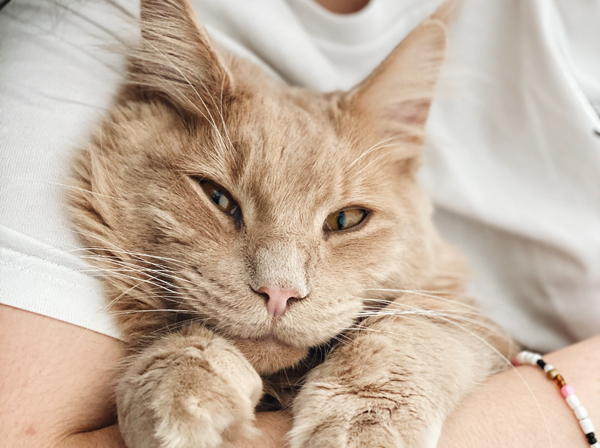
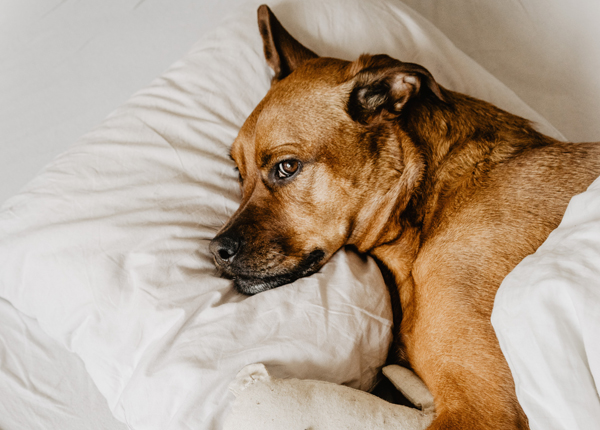
Growing older…. It’s the one constant in life that affects all of us – even our beloved pet pals. While pups and kittens will be bounding around the yard playing catch, our canine and feline friends may be slower to get to the ball.

While it depends on breed and size, generally dogs are considered ‘seniors’ at seven years old and cats today are ‘senior’ from approximately 11 years. Signs of ageing include general slowing down in their activity, more interest in sleeping, a cloudy tinge in their eyes or loss of muscle and weight gain.

As our pets age, their physical and mental well-being needs greater attention, and any noticeable changes in their behaviour should be reviewed by a vet. Our pets may be more prone to health issues as they age, such as arthritis and dental disease, but it’s also their emotional and mental well-being that needs extra care as they age.

Whether you’re a pet parent or filling in for one on a pet sit, it’s important to be aware of a pet’s life stage and their specific needs to live their best life.

Diet

Throughout their lives, our pet pals should have access to a well-balanced, nutritious diet. Gradually switching to a seniors diet may help your pet’s digestion, provide extra minerals for heart and kidney health and a boost to their protein intake. Provide pets with a high-quality diet and ensure it meets the Australian Standard for Manufacturing and Marketing of Pet Food, and always seek advice from a vet before changing your pet’s diet.

Mobility

It’s likely that an animal’s movement and energy levels will decrease as they get older. There are health conditions that will limit your pet’s mobility, so it’s best to get these identified and treated as soon as they become evident. For instance, if left untreated arthritis can be painful for animals and impact their overall well-being and happiness. If your pet has difficulty getting up after a rest or shows reluctance to jump up onto furniture, this could be a sign of arthritis. Get this checked out with a vet and continue to monitor your pet’s progress.

Exercise

While they may not seem as interested in exercising when they’re older, you need to continue regular exercise with senior pets to support their mobility. Adjust routines to suit your pet’s ability – exercises may be gentler, walks may be shorter and consider exercise such as swimming, which is easier on their joints.

Dental Care

Dental hygiene for pets is often overlooked, with dental disease affecting 80% of dogs by the age of three.[1] Dental disease can cause infections in the teeth and gums and can lead to more serious health issues with the kidney, liver or heart. Get your pet used to regular teeth brushing from a young age to avoid painful dental disease later in life.

Sensory Considerations 

As our pets age their sight, hearing and taste may be affected. If your pet has low vision, gently announce yourself when you approach them. If they have hearing loss, help them become familiar with hand signals or other cues to help them understand.

Mental Enrichment

Pets need mental stimulation throughout every stage of life, and it is just as important when they’re older. Continue to include your pet in family activities and outings, provide scent or food puzzles aligned with their ability and spend quality time with your four-legged friend to reduce cognitive decline in their later years.

Always consult a vet if you are concerned about your pet’s physical or mental well-being to get professional advice about treatments and strategies for senior animal care.

For more detailed advice about caring for older dogs, download the RSPCA Pet Insurance’s Old Pet Care eBook or see Templestowe Veterinary Clinic’s website.

[1] https://www.rspcapetinsurance.org.au/getattachment/pet-care/health/Older-pet-care-Guide-to-caring-for-older-dogs-(eB/article-documents-geriatric-pet-care-guide-ebook.pdf.aspx


Brush up on animal care skills for a happy pet


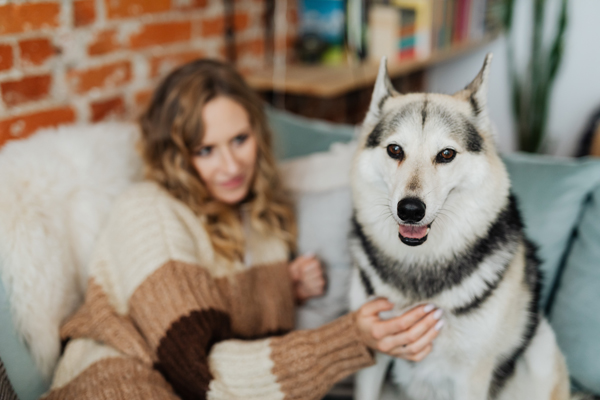
Malamute

Whether you’re a proud pet parent or an animal-loving pet sitter, brushing up on animal care credentials will not only give you more confidence to care for your pet-pal, but it will also result in a happier pet.

There are loads of animal care courses available that can help you take your pet care experience from wow to woweeeee! It’s all dependent on how much you want to drill down and specialise in animal care.

For those looking for short courses to delve deeper into caring for pets, Finder has listed a range of short courses that cover natural and holistic pet care, dog health and first aid, dog massage, health care tips for cat owners, and bird care and many more.

If you’re thinking of catapulting your love of animals into a career, Tafe Courses Australia offers animal care courses that allow you to hone on in what you love most about animals with Certificates in Animal Studies, Companion Animal Services and Pet Grooming.

If you’re still undecided, you can also find out more information about what it takes to become an animal care attendant, dog groomer, zookeeper, veterinary nurse and more!

Study in animal and pet care will ensure that whatever animal experience is ahead, you will be prepared to provide the best care possible. Extra study looks great on a pet sitter’s resume and for pet parents, extra care tips will never go astray.

Pet sitters have a range of experience in caring for pets and have a unique way of stepping into the role of pet parent while owners are away. To find an ideal pet sitter, browse pet sitter profiles online.

Setting the sleeping scene

pets sleeping

Do you like to snuggle up with a furry friend in bed or prefer a paw-free night’s sleep? The experts say that there are significant mental health and well-being benefits to cuddling up with a furry friend each night.

Of course, this sleeping arrangement doesn’t suit everyone and while a cuddly companion does bring comfort and reduce stress, they have also been found to disrupt our sleep.

In a survey of Mindahome pet sitters, 22% say that the pets they cared for wanted to sleep alongside them.

It’s understandable that pet parents and their fur kids get into certain habits, however, sleeping arrangements should always be discussed with a pet sitter before taking on the position.

Here are some of the questions pet sitters and owners should cover before a sit to ensure a stress-free experience – for pet sitter and pet!

  • Where does the pet sleep during the day and at night?
  • Do they like their own bedding or are they free to sleep on the couch, rugs and bed?
  • At night do they sleep in the bed or on the floor?
  • If they like to sleep in the bed, do they cuddle up close or prefer to have some space?
  • Are they toilet trained, or do they need to be let out at night?
  • Is the pet up to date with the flea and tick treatments?
  • How often should I change the pet/human bedding?

For pet sitters who prefer their own space at night, it’s best to include this preference as part of your profile. Alternatively, make it a point for discussion during initial conversations with pet owners.

For pet owners looking for their ideal pet sitter to keep their fur-kids company while they’re away, browse sitter profiles online. Pet sitters can also browse pet sitting positions online to find a furry friend to cuddle.

Pantry politeness

It’s a common question among our house and pet sitting community – what are the rules for pantry politeness? While there aren’t any hard and fast rules, per se, there is a sort of unwritten code that home and pet owners, along with pet sitters agree to that delivers a mutual understanding and respect for each other.

While it will differ for each home and pet sitting arrangement, here are a few things to consider to help determine whether you’re abiding by polite pantry procedure. Continue reading “Pantry politeness”

A considered list can be a valuable tool

housesitter list

Ask any pet sitter about their best asset going into a home and pet sit, and they will likely state ‘a list’. While ‘a list’ sounds like a run-of-the-mill requirement for a new pet sit, a good list is what will ensure both sitter and homeowner are prepared for any eventuality.

Mindahome member Kai takes a proactive approach to list-making and develops a list of questions for the homeowner to respond to before even stepping across the threshold. Continue reading “A considered list can be a valuable tool”

Timing house and pet sits

If the last two years have taught us anything, it’s that preparation and adaptability are key. Home and pet owners can be looking to engage a pet sitter for a few days, several weeks, a couple of months and even more.

While the consensus among house sitters may be for homeowners to give at least one month’s notice for an upcoming sit, last-minute sits can be fruitful for both house sitters and homeowners.

Let’s unpack the various circumstances to see how best these can work for our animal-loving community. Continue reading “Timing house and pet sits”

Pet sit like a local, for locals

For many of us, house and pet sitting is about exploring new territory, walking the road less travelled and meeting new pets and people to broaden your horizons.

However, if you’re a newcomer to the lifestyle or returning to house and pet sitting after a brief hiatus, choosing local pet sits can present just as many exciting opportunities.  Continue reading “Pet sit like a local, for locals”

How to ask for a reference

References

References provide prospective home and pet owners looking at your profile with a snapshot of your experience in home and animal care. The more positive recommendations you have to highlight what you can offer homeowners, the better your chances of winning a pet sitting position.

There are several types of references you can collect. References from employers are helpful, so are references from friends and colleagues. But positive references from home and pet owners who are happy with the care you provided for their household and fur- baby is the gold standard among the pet sitting community.

We understand that it’s not always easy to ask for a reference after a house and pet sit. Here are a few tips to help you get a reference to help you win more positions.

  1. Choose your moment

The moment the pet owner walks through the door after being away is probably not the best time to ask for a reference. A day or so after you finish the house and pet sitting position, email or call the owner to request a reference. Be prepared to give them some time to consider your request and while a polite follow-up email or call about a reference is ok, don’t be pushy to get an answer straight away.

  1. Provide suggestions for what the reference should include

Ultimately, you want a reference to be a shining example of how well you can provide home and animal care. To ensure you get positive mentions, list the things you did while the homeowner was away that proves above and beyond care for their home and pet. Of course, it is up to the home and pet owner to write the reference, but a gentle reminder of some of the things you managed while they were away will help them craft the content. You may like to list your punctuality, regular communication about the owner’s pet while they were away, attending to their pet’s medical needs, maintaining the property, pool, antiques – anything that you feel will showcase your efforts as a house and pet sitter.

  1. Deadlines and follow-ups

Give the home and pet owner ample time to complete the reference but offer a due date. If the due date passes, follow-up with an email reminder, or if you know them well enough, a call. Avoid more than two follow-ups to ensure the last impression the pet owner has of you isn’t a negative one.

  1. Say thank you

Once you have received the reference, don’t forget to show your appreciation of the pet owner’s time and effort. Send a thank you note and express how much you value their positive feedback.

Start your journey as a home and pet sitter by joining Mindahome’s community. Sign up for 12 months and stay in homes across Australia rent-free.


How to take a perfect pet photo

Taking a photo of our animal companions as their natural and true selves is something special that can be very hard to do. Pet photography requires time, patience and a love of animals, qualities which are all in abundance among the house and pet sitting community.

Whether you want to brush up on your photography skills or start drilling down into the technicalities of light, shutter speed and editing, we’ve found tips from some of the best in the business to help you along the way. Continue reading “How to take a perfect pet photo”